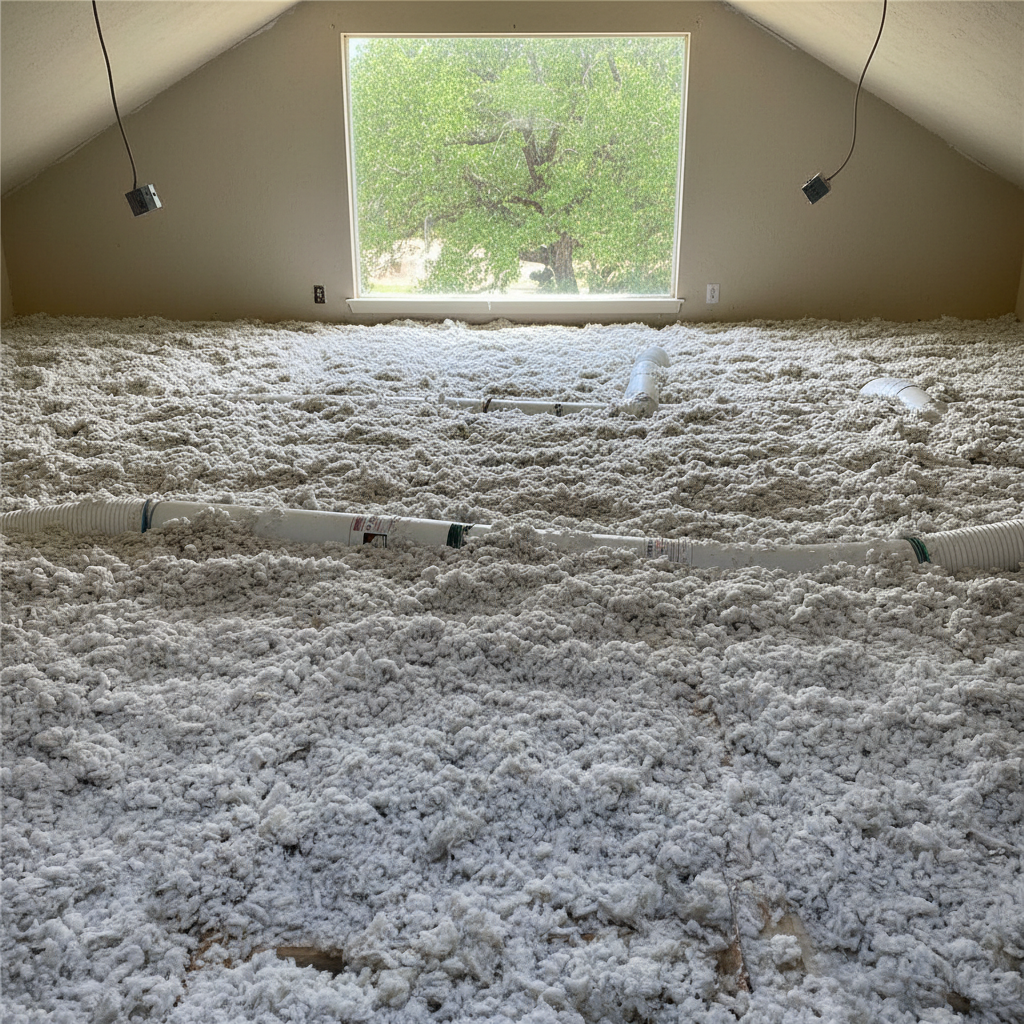
So, you're thinking about blown-in insulation for your Georgetown home. Good call. It’s honestly one of the best ways to keep your place comfy and those energy bills from skyrocketing, especially with our brutal Texas summers and the occasional, bone-chilling cold snap. But, like any home improvement, it’s not just about picking a material; it’s about mapping out the whole project. Let’s walk through what you really need to know to make sure everything goes smoothly.
Setting Your Project Timeline
Don't just expect to call someone today and have your insulation installed tomorrow. Good contractors? They’re busy, and that's usually a pretty solid sign. Here’s a realistic idea of how long things might take:
- Looking Around & Making Calls (1-2 weeks): You'll want to get a few different quotes. Seriously, don't just jump on the first company that answers the phone. Ask friends, check online reviews, and make sure they've got a good reputation.
- Getting Quotes & Talking It Over (1-2 weeks): Once you've got a few companies in mind, they'll need to come out, check your attic or walls, and give you an estimate. This is your moment to ask all your questions and get a feel for how professional they are.
- Getting on the Schedule (2-4 weeks out): After you pick your contractor and sign on the dotted line, you'll get a spot on their calendar. Depending on the time of year and how swamped they are, this could be anywhere from a couple of weeks to over a month. Spring and fall, for example, tend to be super busy.
- Installation Day (1 day): For most houses, blowing in insulation is a one-day job. Bigger or more complicated projects might stretch into a second day, but that’s pretty rare for typical attic work.
All told, you’re probably looking at a 4-8 week process from your very first phone call until the job's finished. So, plan ahead, especially if you're trying to beat the summer heat or that winter chill.
What Happens During Installation?
When the crew from Skyline Insulation Inc (or whoever you end up going with) shows up, here’s generally what’s going to happen:
- They Arrive & Set Up: They'll pull up, introduce themselves, and start getting their gear ready. This usually means a big truck or trailer with the insulation blower, and they'll run a long hose into your house. They’ll also put down drop cloths and protect your floors, especially the path from the entry point to your attic access.
- Getting Ready: Before they blow in any new material, they might need to do a little prep work. This could involve sealing up any gaps or holes in your ceiling (like around light fixtures or plumbing vents) to stop air leaks. They might also put in baffles at the eaves to make sure your attic gets proper ventilation.
- The Blowing Part: This is the main event. One person will feed the insulation into the machine, and another will be up in the attic, guiding the hose to spread the material evenly. It's going to be loud, particularly near the truck and the attic opening.
- Cleanup & Final Check: Once the blowing is done, they'll pack up their equipment, clean up any stray insulation, and do a final walk-through with you. They should show you the finished work up in the attic.
It's usually a pretty straightforward process, but it’s definitely not quiet, and there will be some activity in and around your house.
How to Get Your Home Ready
You don't need to do a ton of work, but a little prep on your end can make things go a lot smoother:
- Clear the Way: Make sure the path from your driveway to the attic access point is clear. Move any furniture, boxes, or anything else that might be in the way.
- Protect Your Valuables: While good contractors will lay down drop cloths, it’s always smart to cover any sensitive items or electronics near the attic access. Insulation can be dusty, you know?
- Secure Your Pets: Keep your furry friends in a separate room or outside during the installation. The noise and activity can really stress them out, and you certainly don't want them getting in the way.
- Attic Access: Make sure the attic access is easy to get to. If it's in a closet, clear it out. If it's in the garage, make sure there's enough room for a ladder.
- Ventilation: If you have any attic fans or whole-house fans, make sure they're turned off before the crew gets there. You definitely don't want to accidentally suck insulation into your living space.
That’s about it. We handle most of the heavy lifting and protective measures, but those small steps from you really do help.
Questions to Ask Before You Sign That Contract
Before you commit, make sure you've got all your questions answered. Don't be shy; it's your home and your money, after all.
- What kind of blown-in insulation do you use (cellulose, fiberglass)? Each has its good and bad points. Understand what they're suggesting and why.
- What R-value will this give my attic/walls? This is super important. For Georgetown, with our hot climate, you really want at least R-38, but R-49 or even R-60 is better for attics.
- Do you include air sealing as part of the job? This is a huge one. Just blowing in insulation without sealing air leaks first is like putting a blanket on a screen door. You're just throwing away a lot of potential savings.
- How do you protect my home during the installation? Ask about drop cloths, floor protection, and how they handle dust.
- What's your cleanup process like? You want to know they won't leave a mess behind.
- Are your installers employees or subcontractors? While it’s not always a deal-breaker, employees often mean more consistent training and better quality control.
- Do you offer any warranties on the material or the workmanship? Good companies stand behind their work.
- Can you give me references or show me examples of similar projects? Seeing their work or hearing from other customers can really give you peace of mind.
- Is your company licensed and insured? This is non-negotiable. You need to know you're protected if something goes wrong.
Getting blown-in insulation is a smart investment in your home's comfort and efficiency. With a little planning and by asking the right questions, you'll ensure a smooth project and enjoy the benefits for years to come, whether you're battling the summer heat that bakes those roofs in Sun City or trying to keep warm when a blue norther blows through.