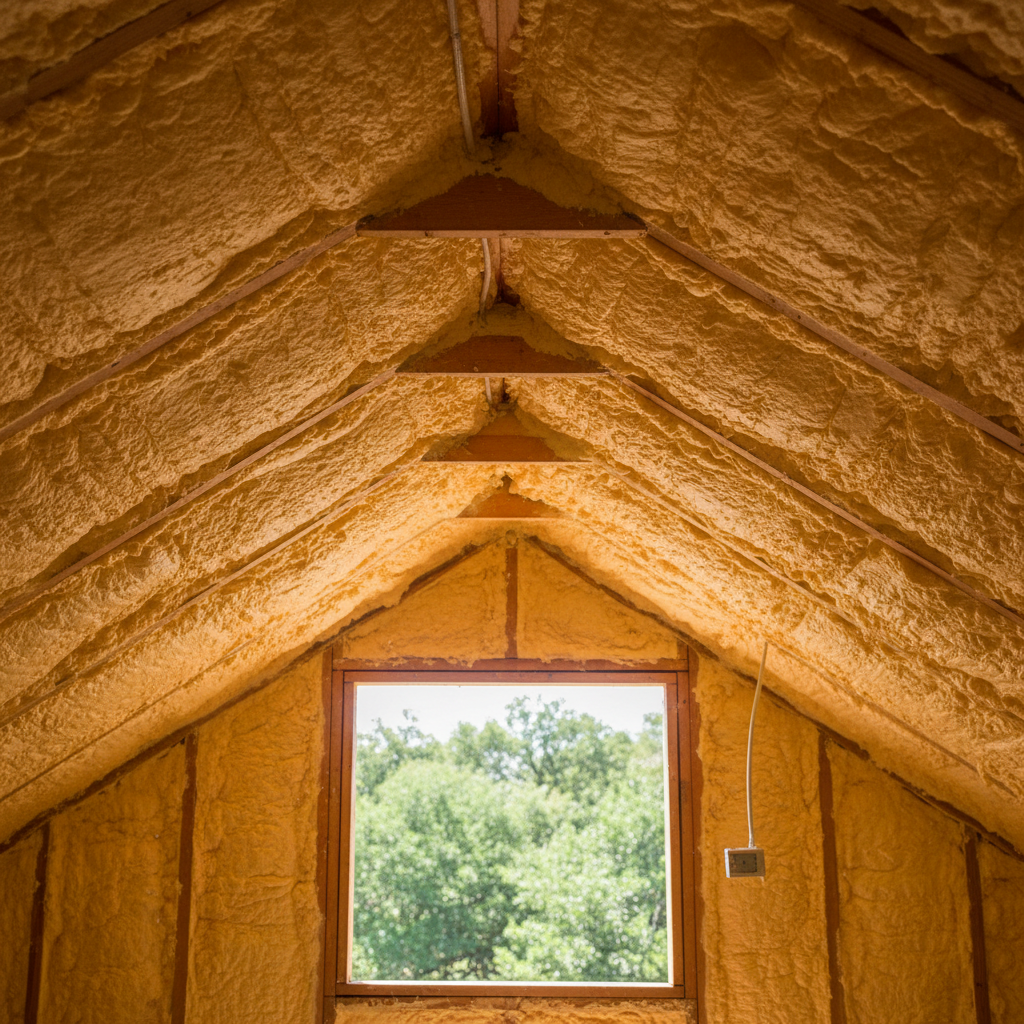
So, you're thinking about closed-cell spray foam for your place, huh? That's a really smart move, especially here in Georgetown. It's truly one of the best ways to seal up your house, helping you keep those AC bills down during our brutal summers and staying cozy when that occasional cold snap hits. But, like with anything else, there's a good time and a not-so-good time to get it done. You want to make sure you're scheduling your installation when the conditions are just right – that's how you get the best results and protect your investment.
When's the Best Time to Schedule Closed-Cell Spray Foam?
Honestly, we can install spray foam pretty much any time of year, but some seasons definitely make things easier on everyone involved. For us, the sweet spot is usually spring or fall. Why? Because the temperatures are more moderate then. When it's 100 degrees outside in July, or freezing cold in January, it just adds extra challenges. Not impossible, mind you, just more complicated.
Think about it: the foam itself needs to be stored and applied within a specific temperature range. If our chemicals are too cold, they don't mix right or expand properly. If they're too hot, they can cure too fast, which also isn't ideal. We do have equipment to heat or cool the materials as needed, but working in extreme temperatures, especially in attics or crawl spaces, is just tougher on my crew. Plus, if you're actually living in the house during the install, you'll really appreciate not having your AC or heat running full blast to compensate for open windows or doors during the process.
Now, if you're building a new home, that's a different story entirely. We can get in there before the drywall even goes up, which is absolutely ideal. No matter the season, we're working in an open structure, and temperature control isn't as big of a deal for the homeowner.
Weather Conditions That Affect Spray Foam Work
Beyond just the season, specific weather conditions can really impact our work. Here's what I always keep a close eye on:
- Temperature: I mentioned this already, but it's super crucial. For the best application, the surface we're spraying onto needs to be within a certain temperature range, usually between 40°F and 100°F. If your attic decking is scorching hot or ice cold, we might need to adjust our schedule or take some extra steps to get it just right.
- Humidity: This is a big one, especially here in Central Texas. High humidity can affect how the foam cures. While closed-cell foam is pretty resilient, extremely high moisture in the air can sometimes lead to slower cure times or affect adhesion if we don't manage it properly. We always monitor this, no exceptions.
- Rain: If we're working on an exterior wall or an open roof deck before the final roofing goes on, rain is a definite no-go. You simply can't spray foam onto wet surfaces. It just won't stick right, and you'll end up with a mess and poor performance. So, we'll absolutely reschedule if there's a good chance of rain.
- Wind: For exterior applications, strong winds are a real problem. Spray foam can drift, and we certainly don't want it ending up on your neighbor's car or landscaping. Even inside, if we're working in an open structure, excessive wind can affect the spray pattern and cure.
We're professionals at Skyline Insulation Inc, and we've got years of experience dealing with the crazy Texas weather. We'll always communicate with you if we think the conditions aren't right for a top-quality job. It's just how we do things.
Protecting Your Investment Year-Round
Once that closed-cell spray foam is in, it's pretty much "set it and forget it," but there are a few things you can do to make sure it keeps performing its best for decades.
- Don't Mess With It: Spray foam is tough, sure, but it's not indestructible. If you're going into your attic or crawl space for any reason (running new wires, plumbing, etc.), be careful not to damage the foam. If you do accidentally cut into it, give us a call. We can usually come out and patch it up for you.
- Keep it Dry: This really goes for your whole house, doesn't it? While closed-cell foam is a vapor barrier, meaning it resists moisture, you still don't want active leaks in your roof or plumbing. Water can compromise the structure around the foam, even if the foam itself isn't damaged. Plus, leaks are just bad news for your home regardless.
- Ventilation in Conditioned Spaces: If your attic or crawl space is now conditioned (meaning it's part of your home's thermal envelope), you don't need traditional attic vents anymore. In fact, sealing them up is part of the process. If you have any questions about ventilation, especially with older homes in areas like Old Town Georgetown that might have unique construction, just ask away.
- Regular Home Maintenance: Just keep up with your regular home maintenance. Make sure your roof is in good shape, gutters are clear, and the foundation is sound. The spray foam will do its job, but it's part of a bigger system – your home, after all.
Closed-cell spray foam is a fantastic investment for comfort and energy savings, especially with our hot summers and occasional freezes. Getting it installed right, under the right conditions, is absolutely key. If you're thinking about it, give us a call. We can talk through your specific situation and figure out the best plan.